
Symphony No. 17 (2025)
Symphony No. 17 features metric modulations, dueling counterpoint, and a driving rhythmic language.
Symphony No. 17 features metric modulations, dueling counterpoint, and a driving rhythmic language.

Beginning with a pastoral introduction, and continuing with vibrant and lively contrapuntal lines, Symphony No. 16 is a rollicking example of the symphonic genre.

This symphony is characterized by driving rhythms, exotic modes and bold brass lines.

Symphony No. 14 is an amalgamation of styles brought together to form a typical, classical symphony.

Symphony No. 13 is a rollicking entry, featuring motor rhythms as well as long lyrical passages.

This symphony stays true to the origins of the symphony, featuring music that would formerly be danced to.

Symphony No. 11 is a very large work, departing from the standard model by adding a fifth movement.

Symphony No. 10 was inspired by the epic poem by Homer, The Odyssey, which chronicles the journey and adventures of its hero Odysseus on his way home from the Trojan War.

Symphony No. 9 features danceable melodies over rhythmically pulsing motor rhythms.
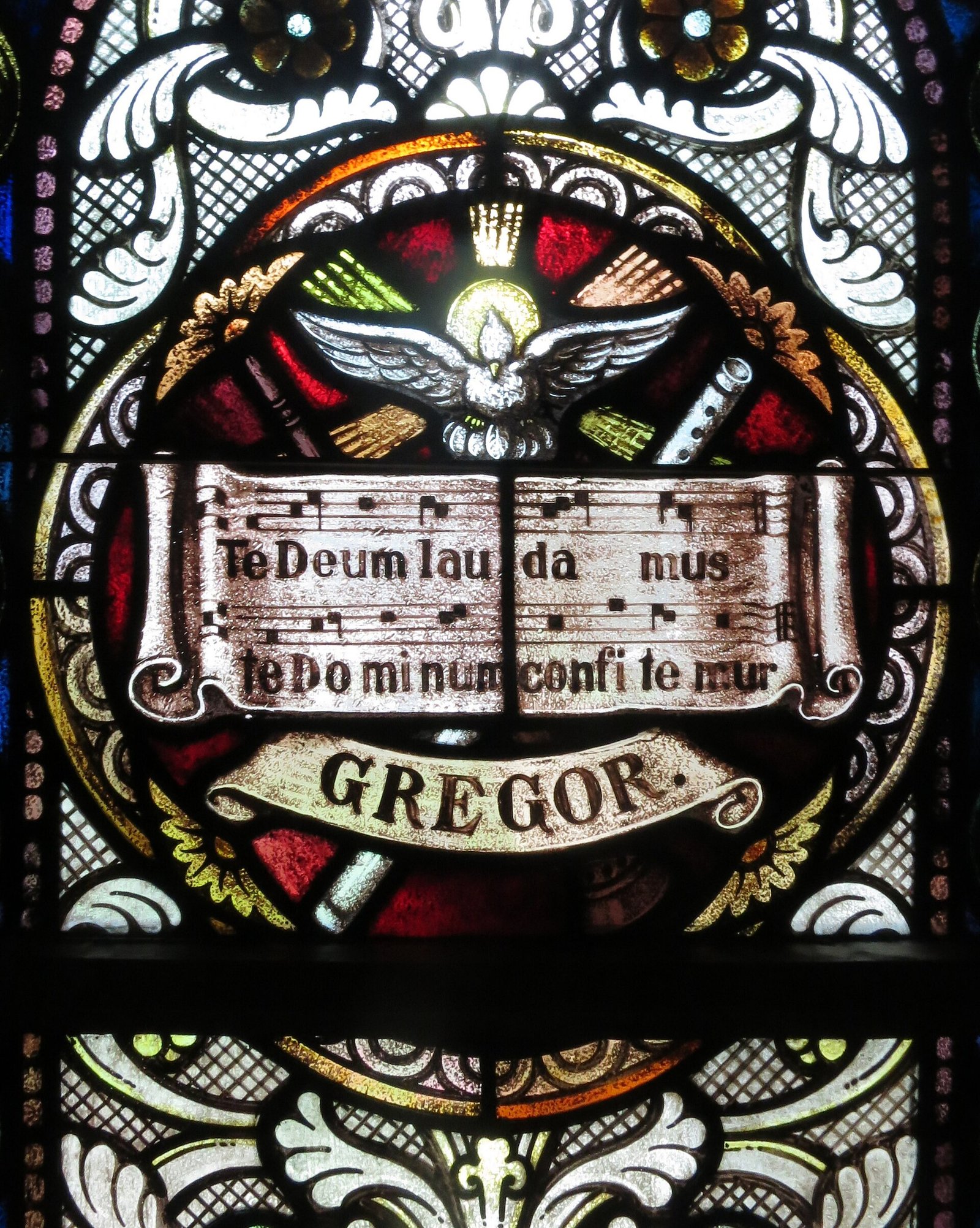
With brass lines soaring majestically within towering choral counterpoint, this work is a statement of celebration as much as solemnity.